
CFTC Investigates Kalshi Over Self-Certified Contracts: What We Know
The CFTC is probing whether Kalshi properly notified it of new event contracts. Here is what is confirmed, how self-certification works, and what to watch next.
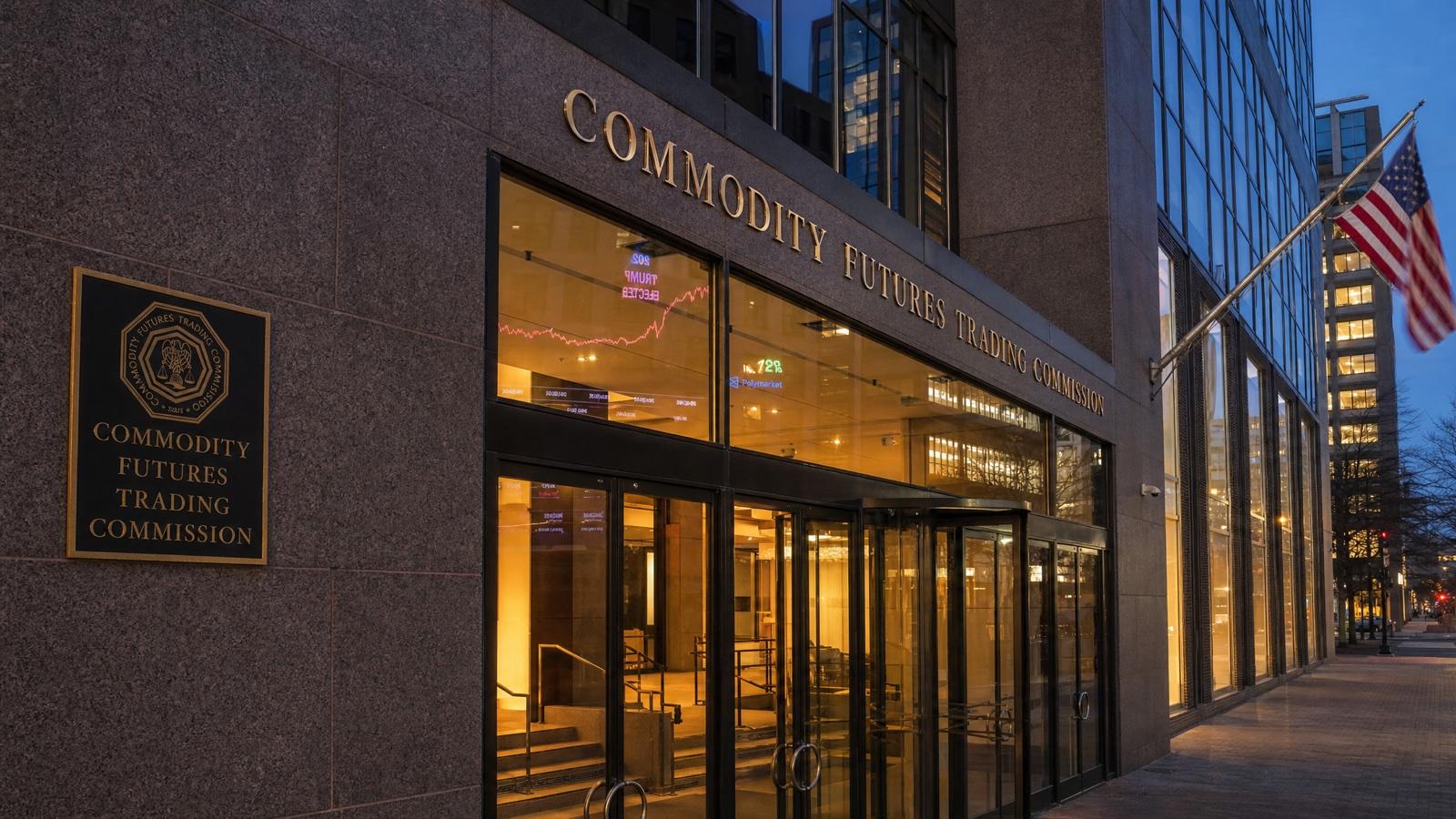
The Commodity Futures Trading Commission is investigating whether Kalshi properly told the agency about new event contracts before listing them. Kalshi confirmed the probe to CNBC on November 11, 2026, calling it a minor filing issue. Politico first reported that charges could come soon. No charges had been filed as of November 12.
The story matters beyond one company. Self-certification is the mechanism that lets exchanges list prediction markets fast, and the CFTC has spent months signaling it wants that process done more carefully. Here is what is confirmed, what is not, and what to watch.
What Happened
According to CNBC's November 11 report, the CFTC is looking into whether Kalshi failed to properly inform the agency of proposed event contracts. Kalshi confirmed the investigation to CNBC and said the CFTC flagged weather-related contracts. CFTC Chairman Michael Selig told CNBC the agency does not comment on investigations.
Politico first reported the probe on Tuesday, November 10, noting that charges could happen soon based on the CFTC's private notification to Kalshi. CNBC says the platform declined to comment on any possible charges.
Kalshi's response, per CNBC, came from communications head Elisabeth Diana: "The notice is about a procedural error involving the submission of a handful of contracts, many of which weren't live. We are already addressing the issue."
What we do not know: CNBC reports Kalshi did not say when the agency began investigating, and the reporting does not name specific contracts beyond the weather category Kalshi cited. Treat any claim about the scale of the problem, or about what penalty might follow, as speculation until the CFTC acts.
How Self-Certification Works
Prediction market exchanges registered as designated contract markets (DCMs) can list new event contracts without waiting for the CFTC's prior approval, as long as they comply with the Commodity Exchange Act. CNBC describes this self-certification route as allowing a faster introduction of new contracts.
The tradeoff is paperwork. Under Commission Regulation 40.2, a DCM that self-certifies a contract has to give the CFTC the information, explanation and analysis the rule requires. A filing that is incomplete or too vague can be a problem even if the contract itself is fine. That distinction is exactly what Kalshi is leaning on when it calls this a "procedural" issue.
The CFTC Had Already Warned About Broad Filings
This did not come out of nowhere. On July 24, 2026, the CFTC's Division of Market Oversight issued an advisory reminding DCMs about proper procedures for self-certifying an event contract series. The advisory addressed what it described as broad, template-style certifications that combine many potential event contract variations into a single filing.
According to the CFTC, that approach limits the Division's ability to determine whether an exchange has provided everything Regulation 40.2 requires, and whether it has adequately evaluated each contract's settlement methodology, data sources and core-principles compliance. The advisory says broad, template-style certifications should not be submitted, and it explains when closely related contracts may be certified as a class or submitted for approval under Regulations 40.2(d) or 40.3.
The advisory does not name any company, and the CFTC's release does not say it relates to the Kalshi matter. Readers should not assume the two are connected; the timing is context, not proof.
A Regulator That Is Both Protecting and Policing
The Kalshi probe lands during a period when the CFTC is doing two things at once.
Defending federal jurisdiction against the states. On October 27, the CFTC announced a lawsuit against Utah to block the state's efforts to shut down CFTC-registered markets using state law. The agency says it has also started legal proceedings against nine other states and filed briefs in four federal courts of appeal and one state supreme court. On October 9, it proposed a rule expressly defining "swap" to include event contracts based on sports, politics, cultural and weather-related events, with Chairman Selig calling them squarely within the agency's exclusive jurisdiction.
On November 5, the CFTC issued an interpretation on impartial access. It says DCMs must cease domestic geographic restrictions that violate the Impartial Access Requirements within 30 days, or submit an explanation to the Division of Market Oversight for why compliance is not feasible. That puts the deadline in early December.
Scrutinizing the platforms themselves. In August, CNBC reported that the CFTC was conducting an internal review of mention markets, and that Kalshi removed sports-related mention markets around the time the agency alerted it. On the Polymarket side, CNBC reported on October 27, citing a person familiar with the matter, that the CFTC is investigating whether Polymarket violated a 2022 settlement meant to ban U.S. users from its offshore platform. In that settlement, Polymarket paid a $1.4 million civil penalty. CNBC's source said the agency is also looking at the U.S. platform's customer onboarding and protection measures. Polymarket declined to comment.
The pattern: the agency is willing to fight states on behalf of the exchanges it regulates, while holding those same exchanges to its own procedural rules.
Why This Matters for Traders
Contracts stay live for now. The reporting says no charges have been filed, and nothing in the sources indicates Kalshi has delisted markets because of this probe. CNBC's account has Kalshi saying many of the contracts at issue were never live. Check the platform's own market pages for current availability.
The reported issue is process, not settlement. The probe, as described, concerns how contracts were submitted to the regulator, not how markets resolve. Nothing in CNBC's reporting suggests customer funds are at risk.
A tighter filing regime could slow new listings. If the agency pushes exchanges toward more detailed, contract-by-contract filings, the speed advantage of self-certification narrows. That would mostly affect how quickly novel markets appear. This is an inference from the CFTC's stated concerns, not a reported outcome.
State litigation is a separate track. The federal-versus-state fight over sports contracts continues independently. For the state side, see our coverage of the Missouri counterclaims against Polymarket US and Robinhood and our state-by-state availability guide.
What to Watch Next
- Whether the CFTC files charges, and what it seeks. Politico's reporting says charges could come soon. A settlement, a fine, or a consent order would each mean something different for the sector.
- Which contracts are at issue. Kalshi has pointed to weather contracts. The CFTC has not publicly detailed its concerns.
- The early-December impartial-access deadline. Exchanges must end domestic geographic restrictions or explain why they cannot.
- The Polymarket inquiry. Whether the agency's focus on filing practices leads to a rule that applies to every DCM.
- The October 9 swap-definition proposal. Comments were due within 30 days of Federal Register publication.
If you trade on more than one venue, our Kalshi vs Polymarket comparison covers how the platforms differ.
FAQ
Is the CFTC suing Kalshi? No. As of November 12, 2026, no charges have been filed, according to the reporting. The CFTC is investigating, and Politico reported that charges could come soon.
What is self-certification? It is the process by which a registered exchange lists a new contract by certifying to the CFTC that it complies with the Commodity Exchange Act, instead of waiting for prior approval. The exchange still has to submit the information required by CFTC rules.
Does this affect my Kalshi account or open positions? The reporting describes a regulatory filing issue, not a problem with customer accounts or market settlement. Check Kalshi's official notices for any change to specific markets.
Is Polymarket also under investigation? CNBC reported on October 27, citing a person familiar with the matter, that the CFTC is probing whether Polymarket violated a 2022 settlement. Polymarket declined to comment.
What did Kalshi say? Kalshi called it a procedural error involving a handful of contracts, many of which were not live, and said it is addressing the issue.
This article is for informational purposes only and is not financial or legal advice.
Sources & Verification
- Kalshi confirms CFTC probe, weather contracts flagged, Kalshi statement: CNBC, November 11, 2026 — verified November 12, 2026
- Politico first report, possible charges: Politico, November 10, 2026, as cited by CNBC — verified November 12, 2026
- Advisory on broad self-certifications: CFTC release 9273-26, July 24, 2026 — verified November 12, 2026
- Impartial access interpretation and 30-day deadline: CFTC release 9323-26, November 5, 2026 — verified November 12, 2026
- Utah lawsuit and other state actions: CFTC release 9315-26, October 27, 2026 — verified November 12, 2026
- Event contracts swap-definition proposal: CFTC release 9310-26, October 9, 2026 — verified November 12, 2026
- Polymarket 2022 settlement probe: CNBC, October 27, 2026 — verified November 12, 2026
- Mention-market review: CNBC, August 14, 2026 — verified November 12, 2026