
Prediction Markets in Texas: What's Legal, What's Not, and How to Get Started in 2026
Texas bans sports betting but not federally regulated prediction markets. Learn which platforms are available to Texas residents, what you can trade, and what the 2027 legislature means for the industry.
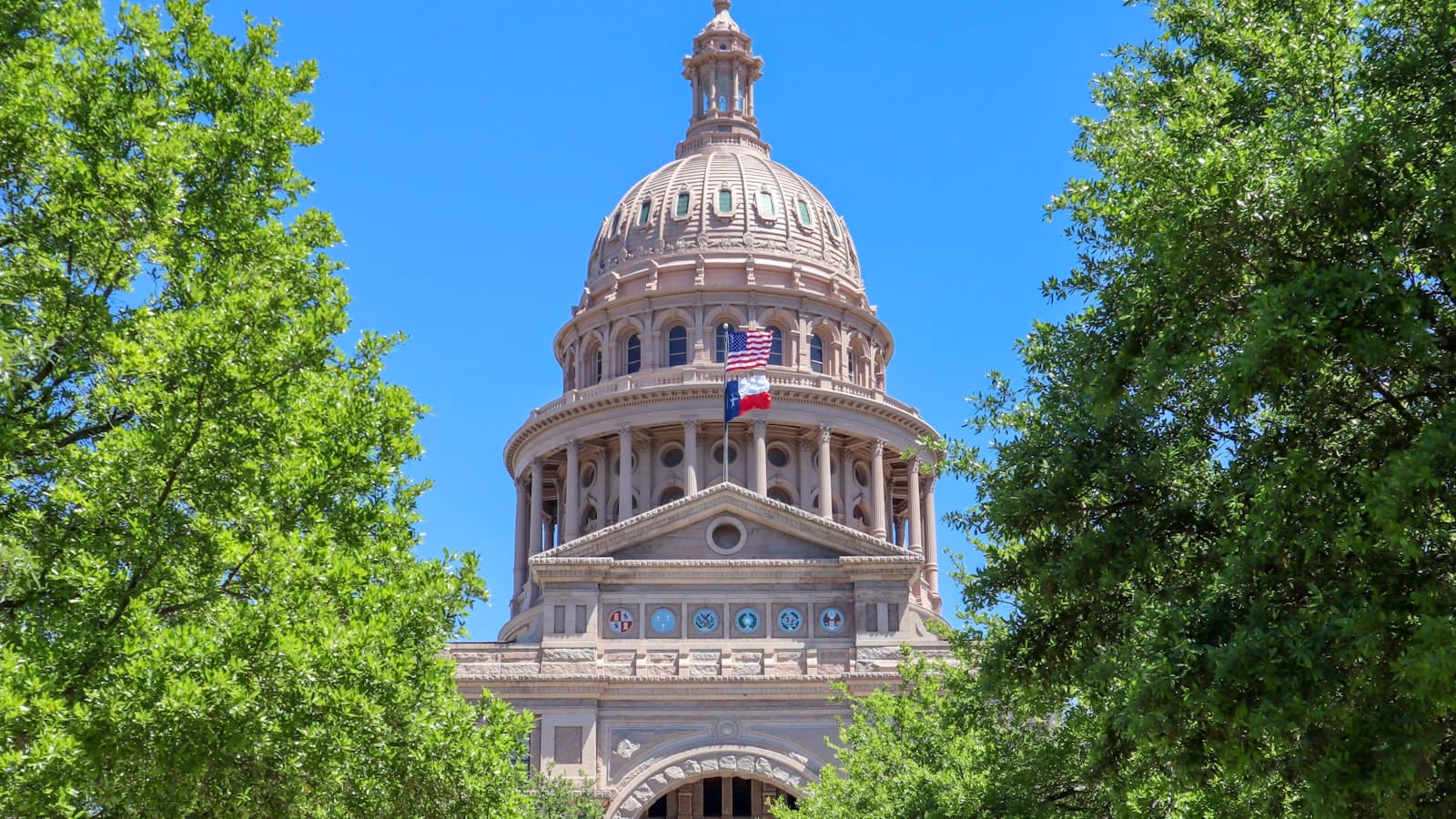
Texas is the second-largest state in the country, home to tens of millions of sports fans, and it has some of the strictest gambling laws in the United States. Traditional online sports betting is not legal in Texas, and that situation is unlikely to change before 2027 at the earliest. But there is a legal alternative that thousands of Texans are already using: federally regulated prediction markets.
This guide explains why prediction markets are legal in Texas, which platforms are available, what you can trade, and what the regulatory landscape looks like heading into 2026 and beyond.
Why Prediction Markets Are Legal in Texas When Sports Betting Isn't
Texas's state constitution explicitly prohibits most forms of gambling. The legislature has repeatedly declined to approve sports betting, and the next realistic opportunity for legalization is the 2027 legislative session.
Prediction markets operate in a completely different regulatory lane. Rather than being licensed by state gaming commissions, federally regulated prediction markets are overseen by the U.S. Commodity Futures Trading Commission (CFTC) as Designated Contract Markets (DCMs) — the same category that covers futures and derivatives exchanges like the Chicago Mercantile Exchange.
When you trade on a CFTC-regulated prediction market, you are not placing a bet with a sportsbook. You are buying and selling binary event contracts — financial instruments that represent the probability of a specific outcome. This legal distinction is why prediction markets can legally operate in Texas today, even though a sportsbook cannot.
The CFTC has been consistent: it claims exclusive federal jurisdiction over these contracts, and in April 2026 it filed preemption suits against several states that attempted to enforce their own regulations against federally licensed prediction market exchanges. Texas was not among those states — because Texas has not taken state enforcement action against prediction markets.
Which Platforms Are Available to Texas Traders
Texas residents currently have access to the two largest CFTC-regulated prediction market platforms: Kalshi and Polymarket US.
Kalshi
Kalshi received CFTC Designated Contract Market approval in November 2020, making it the longest-running federally regulated prediction market in the United States. It holds both DCM and Derivatives Clearing Organization (DCO) designations from the CFTC — meaning it operates its own exchange and clears its own trades.
Kalshi is fully available to eligible Texas residents age 18 and older. It offers markets across a wide range of categories including sports, politics, economics, cryptocurrency, and cultural events. As of 2026, Kalshi's politics markets carry zero taker and maker fees, making political event contracts particularly cost-effective to trade. For other categories, fees follow a formula capped at 1.75 cents per contract — significantly lower than typical sportsbook juice.
Polymarket US
Polymarket US launched for American users in December 2025, operating through QCX LLC, which holds a CFTC Designated Contract Market license amended on November 25, 2025. Texas residents are eligible to access Polymarket US via its mobile app.
One important distinction: Polymarket US under QCX LLC currently offers sports markets only for US users. The international version of Polymarket (polymarket.com) covers politics, economics, and a broader range of categories — but that platform is not accessible to US residents. Texas traders who want to trade political or economic markets should use Kalshi, which covers all categories.
Other Platforms Expanding in Texas
Several other CFTC-regulated platforms are available or expanding in Texas, including OG Predictions (via Crypto.com's CDNA exchange) and Interactive Brokers' ForecastEx. The prediction market ecosystem has grown significantly in 2026, driven by record trading volumes during the FIFA World Cup and ongoing national and state elections.
What Texas Traders Can Buy and Sell
The range of markets available on CFTC-regulated platforms is broad — far broader than traditional sports betting.
Sports markets are the most popular entry point for Texas traders. Dallas Cowboys season wins, Texas Rangers postseason chances, Houston Texans playoff odds, and major national championships — NFL, NBA, MLB, NHL, and international events — are all tradeable.
Political markets are where prediction markets truly differentiate themselves from sportsbooks. Texas has active political markets of its own: the 2026 Texas governor's race and the Texas attorney general's primary are available on Kalshi. National markets cover the 2026 midterm elections, Senate control, and broader political outcomes.
Economic and macro markets allow traders to take positions on Federal Reserve interest rate decisions, GDP growth, inflation data, and other economic outcomes. These markets are particularly active given the current interest rate environment.
Cryptocurrency markets offer binary contracts tied to Bitcoin, Ethereum, and other asset price thresholds over defined time periods.
Cultural and entertainment markets cover outcomes like major award shows, cultural events, and science milestones.
Live market view — Texas Governor 2026 prediction markets:
The Texas Political Landscape: What to Watch in 2026 and Beyond
Texas has not filed any state enforcement action against Kalshi, Polymarket, or other federally regulated prediction market platforms as of July 2026. However, the state has signaled interest in the issue.
Lieutenant Governor Dan Patrick asked state lawmakers in May 2026 to review whether existing gaps between prediction market operations and Texas gambling law required legislative action. Those committees are expected to report recommendations during the 2027 legislative session — the next time the Texas legislature convenes.
The broader national picture matters for Texas. As the Fort Worth Star-Telegram noted in July 2026, the legal question at the center of the national debate is whether federal CFTC oversight preempts state gambling laws — or whether states retain authority to regulate prediction markets as gambling operations. More than 20 states have active legal proceedings related to this question, with courts in multiple circuits reaching different conclusions.
Texas is one of many states in a wait-and-see posture. Unless the state's legislature or attorney general takes action in 2027, prediction markets will remain fully accessible to Texas residents under the current federal regulatory framework.
Live market view — will a law banning sports prediction markets pass in 2026?
How Prediction Markets Work: A Brief Primer for Texas Traders
If you are new to prediction markets, here is the core mechanic: every market is a yes-or-no question with a resolution date. Contracts are priced between 1 cent and 99 cents, where the price reflects the market's estimate of the probability that the outcome will happen.
If you buy a contract at 35 cents and the outcome resolves "Yes," you receive $1.00 — a profit of 65 cents. If it resolves "No," you lose your 35-cent investment. Unlike a sportsbook, you are not betting against the house — you are trading against other participants, and prices update continuously as new information enters the market.
This market structure is why the CFTC classifies these as financial derivatives rather than gambling: prices are formed by competitive bidding, outcomes are verifiable objective facts, and the exchange earns fees rather than taking positions against traders.
Getting Started: A Step-by-Step Guide for Texas Residents
Step 1: Choose your platform. For maximum market variety — especially politics, economics, and macro markets — start with Kalshi. For sports-focused trading, Kalshi and Polymarket US both offer a range of options.
Step 2: Download the app. Both Kalshi and Polymarket US are available on iOS and Android. Polymarket US is currently invite-only on some devices — check the official app stores.
Step 3: Complete identity verification. CFTC regulations require Know Your Customer (KYC) verification, which typically means submitting a government-issued ID. This process usually takes a few minutes.
Step 4: Fund your account. Kalshi accepts ACH transfers and wire transfers for free; debit card and Apple Pay deposits carry a 2% fee. Polymarket US accepts bank transfers and certain cryptocurrency deposits.
Step 5: Start with small positions. Prediction market contracts are priced at the cent level. You can trade meaningful positions for as little as $10–$50, which makes it practical to learn the mechanics before committing larger capital.
Step 6: Track live prices. PredictionMarkets.US aggregates live data from Kalshi and Polymarket in one place, allowing you to compare prices across platforms and monitor market movements without switching between apps.
Frequently Asked Questions
Are prediction markets legal in Texas? Yes. Prediction markets regulated by the CFTC as Designated Contract Markets are legal to use in Texas. Texas has not enacted any state law or filed any enforcement action against federally regulated prediction market platforms as of July 2026.
Is Kalshi available in Texas? Yes. Kalshi is available to eligible Texas residents age 18 and older. Texas does not appear on Kalshi's list of restricted states and Texas has filed no enforcement action against the platform.
Is Polymarket available in Texas? Yes. Polymarket US (operating through QCX LLC, a CFTC-regulated DCM) is accessible to Texas residents via its mobile app. Note that only sports markets are currently available to US users — the broader international version of Polymarket is not accessible to US residents.
Why can I use prediction markets but not a sportsbook in Texas? Prediction markets are regulated at the federal level by the CFTC as derivatives exchanges. Sportsbooks are licensed by state gaming commissions. Because Texas has not legalized sports betting, no sportsbook can legally operate there — but federally regulated prediction market exchanges can operate nationwide, including in Texas.
What will happen to prediction markets in Texas in 2027? Lt. Governor Dan Patrick directed state lawmakers to study the issue in May 2026, with recommendations expected during the 2027 legislative session. Until any new Texas law is enacted or the state files an enforcement action, prediction markets remain fully accessible to Texas residents. The CFTC has challenged state enforcement actions in other states, and that federal-preemption question is currently being litigated in multiple federal circuits.
What is the minimum age to use prediction markets in Texas? Both Kalshi and Polymarket US require users to be at least 18 years old — the same minimum age as daily fantasy sports in Texas, and lower than the 21-year minimum that would apply if Texas legalized traditional sports betting.
The Bottom Line
Texas is in a genuinely favorable position for prediction market traders right now. The state has not taken enforcement action, the CFTC has been aggressive in defending its jurisdiction, and both of the largest federally regulated platforms are fully accessible to Texas residents.
The regulatory picture could shift after 2027, depending on what Texas lawmakers decide. But today, eligible Texans can legally trade sports outcomes, political elections, economic data, and a wide range of other events — without waiting for Austin to act.
Sources
- CFTC Designated Contract Markets and DCOs registry
- CFTC press release: Kalshi approved as Designated Contract Market, November 2020
- CFTC press release: CFTC files to preempt state enforcement actions, April 2026
- QCX LLC CFTC amended DCM designation order, November 25, 2025
- Fort Worth Star-Telegram: "Sports betting is illegal in Texas. What about prediction markets like Kalshi?", July 11, 2026
- USA Today For The Win: "Best Texas Prediction Markets for July 2026", July 8, 2026
- Stateline.org: "Online prediction markets rile up state lawmakers", July 31, 2026
- Kalshi fees documentation