
Kalshi Signs Exclusive US Open Deal, Locking Rivals Out of ESPN Broadcasts
Kalshi signed an exclusive US Open deal with the USTA, blocking rival prediction market platforms from advertising at the venue and across ESPN broadcasts.
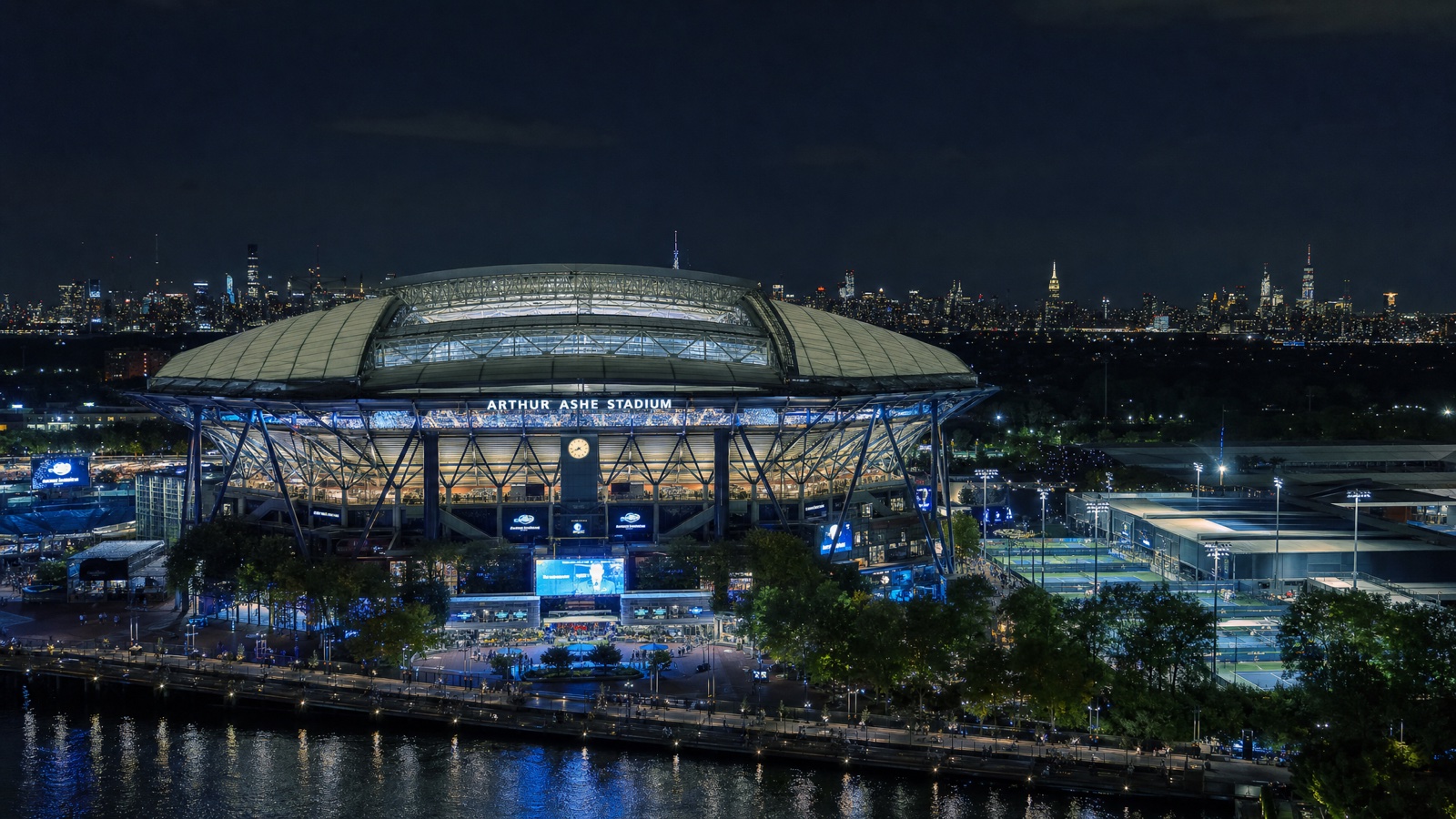
Prediction market platform Kalshi landed a Grand Slam on August 30, 2026 — literally. As the US Open's main draw got underway at Flushing Meadows in New York, Kalshi secured an exclusive partnership with the U.S. Tennis Association, making it the tournament's sole prediction market platform partner. What makes the deal unusual isn't just the prestige of a Grand Slam partnership — it's the breadth of the exclusivity clause, which bars rival prediction market platforms from advertising anywhere near the event, including across ESPN's tournament broadcasts.
The agreement arrived at the last minute. According to reporting by Front Office Sports, published via Yahoo Sports on August 30, two sources familiar with the deal confirmed Kalshi was in place before the first main-draw match began, despite the deal not being formally locked in until after last week's qualifying rounds concluded. Neither Kalshi nor the USTA had issued a public announcement by Sunday afternoon, and Kalshi did not appear on the US Open's official partner list when the main draw started.
For the prediction market industry, the deal signals something bigger than a single sponsorship: a race to claim prime sports real estate before it's gone.
How the Deal Came Together
The USTA had not originally planned to enter a prediction market partnership for this year's tournament. Discussions with multiple platforms in recent weeks centered primarily on match-integrity concerns and the possibility of partnership arrangements beginning in 2027 or beyond, according to Yahoo Sports reporting. As of last week, the USTA had not formally approved prediction markets as a sponsorship category.
What changed the timeline was Craig Tiley, the USTA's newly appointed CEO. Tiley, who officially took over as the organization's chief executive on July 20, 2026, after more than two decades leading Tennis Australia, is credited by sources with getting a deal done for this year's tournament rather than deferring to 2027. His track record of building Tennis Australia's commercial footprint during its golden era of Grand Slam success appears to have translated directly into an accelerated partnership approach.
The last-minute nature of the arrangement was visible in small details. Earlier Sunday, Kalshi published a blog post analyzing the women's singles field — listing Aryna Sabalenka as the favorite to win at 23%, with Coco Gauff and Iga Swiatek as close contenders — that included fine print stating Kalshi was "not affiliated with the U.S. Open or WTA." That disclaimer reflects the deal not yet having caught up to the platform's own public messaging when the blog post was prepared.
What the Exclusive Actually Covers
Exclusivity provisions in sports sponsorships are common, but the scope of Kalshi's reported arrangement stands out. According to one source cited in the Yahoo Sports report, the exclusivity is described as "unusual" — the USTA is blocking any other prediction market platforms from advertising inside the venue or on television, including across ESPN, where the US Open is being broadcast throughout its two-week run.
That means platforms like Polymarket, DraftKings Predictions, Novig, and others cannot purchase ad inventory at the USTA Billie Jean King National Tennis Center or on ESPN's broadcast coverage during the tournament, which runs through September 13.
Traditional sportsbooks are not listed among the US Open's official partners either, according to Yahoo Sports, which gives Kalshi a relatively clean playing field from a gambling-adjacent branding standpoint.
The financial terms of the deal were not disclosed. Kalshi did not appear on the US Open's official partner page as of Sunday afternoon, a detail that several outlets noted reflects how recently the arrangement was finalized rather than any uncertainty about its validity.
Part of a Bigger Sports Expansion
The US Open exclusive fits a pattern Kalshi has been building aggressively across major American sports properties over the past few months.
Five days before the US Open announcement, on August 25, Kalshi announced exclusive, multi-year brand partnerships with five Major League Baseball clubs: the Atlanta Braves, Boston Red Sox, Los Angeles Dodgers, San Diego Padres, and San Francisco Giants. The deals bring Kalshi-branded signage into some of the most prominent ballparks in the country. At Dodger Stadium, Kalshi received naming rights for the stadium's Gold Glove Bar — an indoor sports bar with a direct view of the bullpen — along with LED signage and activations in Centerfield Plaza.
"The idea is that fans are already engaging with their favorite teams on Kalshi, so it only makes sense to extend that fandom to some of the most beloved baseball teams in America," said Adam Barrick, Kalshi's head of sports partnerships, in a statement accompanying the announcements.
Those five deals brought the total number of MLB clubs with individual prediction market partnerships to seven — representing nearly one-quarter of the league. Polymarket holds the league-level exclusive partnership with MLB and has a separate deal with the New York Yankees. Novig signed an exclusive with the New York Mets. Kalshi operates at the team level in the spaces Polymarket's league exclusivity doesn't cover.
Baseball has become one of Kalshi's largest categories by trading volume. Baseball-related contracts traded on the platform totaled nearly 13 billion through mid-2026, up from approximately 355 million during the same period in 2025, according to a Kalshi spokesperson quoted by Fortune. That is a 36-fold increase year over year — a growth rate that made the MLB team partnership push commercially logical rather than speculative.
Kalshi also holds co-official-partner status with the NHL alongside Polymarket, and the platform secured World Cup branding exposure through a partnership with ADI Predictstreet, FIFA's official prediction market partner for the 2026 tournament. The US Open brings tennis — a category with strong demographic overlap with the platform's user base — into that portfolio.
Trading Volume at the US Open
Even before any official announcement about the partnership, Kalshi's US Open markets were generating meaningful activity. Approximately $1.5 million had been placed on who would win the women's singles title as of Sunday afternoon, according to Yahoo Sports reporting. By early Monday, that figure had risen to approximately $1.6 million, according to coinpaper.com reporting citing the same tournament window.
The women's singles field entered the main draw with Aryna Sabalenka as the favored player, followed by Coco Gauff and Iga Swiatek, based on Kalshi's own market prices published in its pre-tournament blog post. The men's singles tournament, which began the same day, did not have disclosed volume figures available as of Monday morning.
For context on how the broader prediction market sector has grown around sports: the US Open exclusive comes as Kalshi has significantly expanded its sports presence beyond the platform's original core of political and economic event contracts.
The Legal Backdrop
The US Open deal arrived in the same week that Kalshi absorbed a legal setback in one of its ongoing disputes with state regulators. On August 28, the Ninth Circuit Court of Appeals ruled against Kalshi in its dispute with Nevada, holding that federal commodities law does not automatically override state gambling regulations when it comes to event contracts. That ruling created a direct circuit split with an earlier Third Circuit decision that had favored Kalshi's preemption argument in a similar case brought by New Jersey.
The timing underscores the dual nature of Kalshi's current moment: the platform is expanding aggressively into sports sponsorships while simultaneously fighting multiple states in federal court over whether those very sports contracts are legally permissible.
The platform's legal theory — that its event contracts are federally regulated financial instruments under the Commodity Exchange Act, and therefore outside the reach of state gambling law — has not yet been resolved definitively. New Jersey is expected to file a petition for Supreme Court review on September 3. With two federal circuits now on record disagreeing about the answer, the question of SCOTUS intervention has become more pressing.
The sports partnership strategy reflects a calculated bet: build brand recognition, sports-fan user acquisition, and commercial momentum now, while the legal framework is still being contested in courts.
What This Means for Prediction Market Platforms
The US Open deal represents a shift in how prediction market platforms are competing for market share. Earlier phases of the industry's growth focused on platform features, market breadth, and trading fees. The current phase involves signing exclusive arrangements with sports properties that deny competitors brand visibility with key audiences.
That dynamic mirrors how traditional sportsbooks built their businesses: securing prominent placement at arenas and on broadcasts, then converting fans into users. Kalshi's exclusivity clause at the US Open — blocking rivals from ESPN's broadcast coverage — applies exactly that logic to the prediction market category.
For platforms like Polymarket, DraftKings Predictions, and newer entrants, the US Open establishes a template. The question now is which other major sports properties remain available, and whether league-level exclusivity becomes the standard before individual platform deals lock in the terms.
The US Open runs through September 13.
Frequently Asked Questions
Has Kalshi officially confirmed the US Open partnership? As of August 31, neither Kalshi nor the USTA had issued a public announcement. The deal is based on reporting from Yahoo Sports citing two sources familiar with the agreement. Kalshi did not appear on the US Open's official partner list when the main draw began.
What does the exclusivity clause actually prevent? According to sourced reporting, the USTA is preventing other prediction market platforms from purchasing advertising at the US Open venue or across television coverage, including ESPN broadcasts. This is described as unusual in scope for this type of sponsorship.
How does the US Open deal compare to Kalshi's other sports partnerships? Kalshi holds official partner status with the NHL (alongside Polymarket), has exclusive multi-year deals with five MLB teams, and secured World Cup exposure through FIFA's prediction market partner. The US Open is Kalshi's first Grand Slam partnership and its first exclusive deal at the tournament level in tennis.
Can US traders access US Open prediction markets on Kalshi? Kalshi is a CFTC-regulated designated contract market operating under U.S. federal law. Its platform is available in states that have not enacted active court injunctions against its operations. For specific availability in your state, check Kalshi's official platform at kalshi.com.
What legal challenges does Kalshi face on its sports event contracts? The Ninth Circuit Court of Appeals ruled against Kalshi in a dispute with Nevada on August 28, 2026, holding that federal commodities law does not automatically preempt state gambling regulations for event contracts. An earlier Third Circuit ruling had favored Kalshi in a New Jersey case, creating a circuit split. New Jersey is expected to petition the Supreme Court for review on September 3.
Sources & Verification
- Deal details, exclusivity clause, USTA CEO Craig Tiley role, $1.5M women's market volume: US Open Signs Exclusive Deal With Kalshi, Yahoo Sports, August 30, 2026
- MLB five-team deals (Braves, Red Sox, Dodgers, Padres, Giants), 36-fold baseball volume figure, Kalshi spokesperson quote: Kalshi strikes deals with five MLB teams, Fortune, August 25, 2026
- MLB baseball volume: nearly 13 billion contracts in 2026 vs ~355 million same period 2025: Kalshi Strikes Marketing Partnerships with 5 MLB Teams, Yahoo Finance, August 25, 2026
- Kalshi head of sports partnerships Adam Barrick quote: Kalshi Lands 5 MLB Teams, Yahoo Sports, August 25, 2026
- $1.6M women's singles volume by early Monday, deal timeline recap: US Open Embraces Prediction Markets With Last-Minute Kalshi Deal, coinpaper.com, August 31, 2026