
Kalshi Launches Midterms Hub: Real-Time Election Odds, Polling, and Fundraising Data in One Place
Kalshi's new Midterms Hub combines live prediction market odds for every Senate, House, and governor race with polling averages, FEC fundraising data, and zero trading fees on all politics markets.
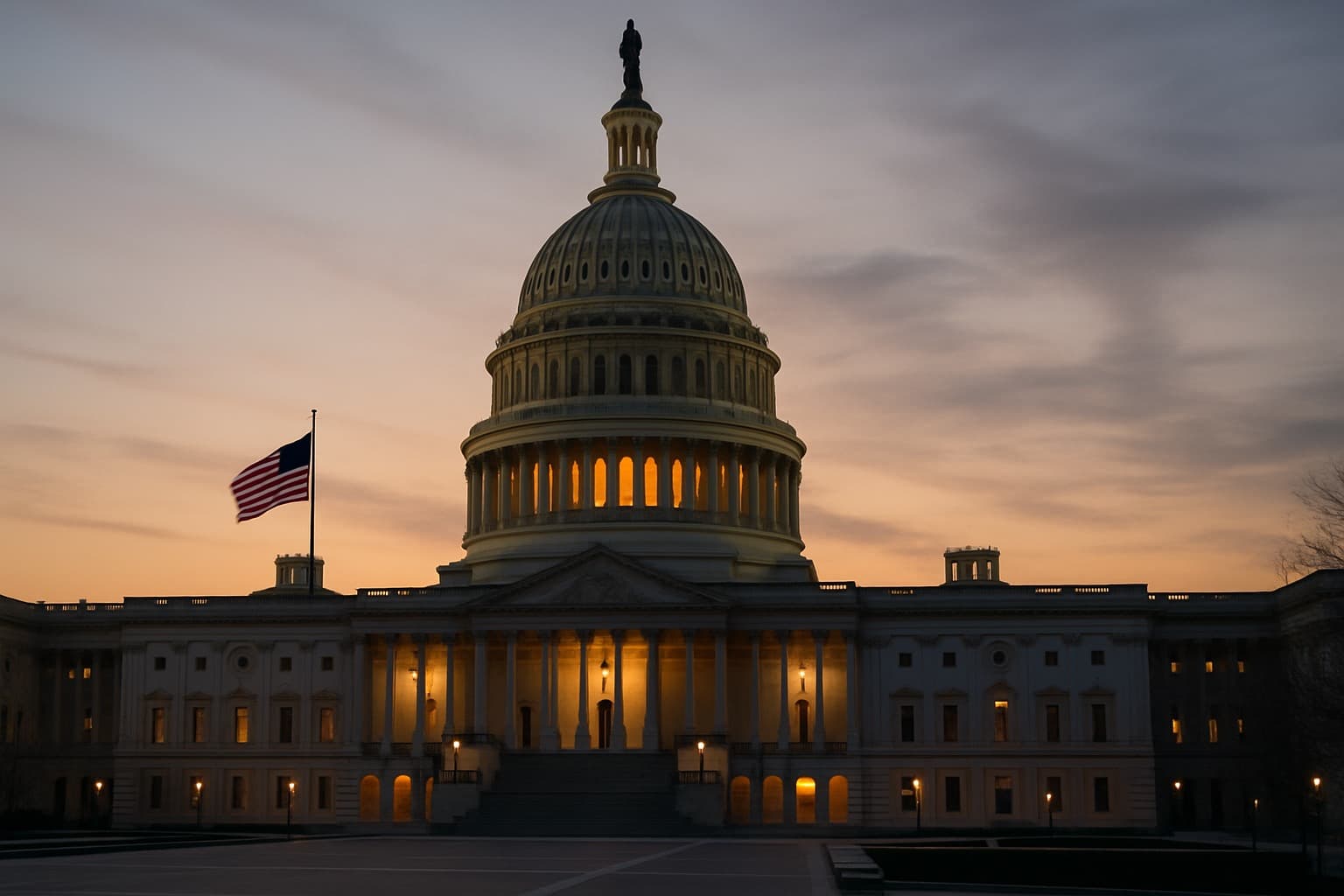
Every four years, election coverage explodes. But in 2026, the U.S. midterms have a new kind of referee — one that doesn't take poll samples, doesn't run focus groups, and doesn't care about party affiliation. It takes bets.
On July 22, 2026, Kalshi launched its Midterms Hub: a free, one-stop resource combining live prediction market odds for every Senate seat, House district, and governor's race with real polling averages, FEC fundraising data, and curated news. It's the first time a federally regulated prediction market has built a dedicated election intelligence portal at this scale — and it arrives as the industry prepares for what many expect will be its biggest volume event since the 2024 presidential race.
What Is the Kalshi Midterms Hub?
The hub aggregates four data streams that, until now, election watchers had to find separately:
1. Live prediction market odds. Every Senate, House, and governor race where Kalshi has an active market gets a live price. These aren't poll numbers — they're the prices that traders are willing to pay to bet real money on an outcome. Prices update in real time as new information enters the market.
2. Polling averages from VoteHub. The hub syncs with VoteHub polling aggregates so you can compare what surveys say versus what the money says. When the two diverge, that's where the analysis gets interesting.
3. Federal Election Commission fundraising data. Cash on hand and fundraising velocity have long been leading indicators in competitive races. The hub pulls the most recent FEC filings and displays them alongside the market odds for each race.
4. Historical election results and news. Each race page includes the historical result from prior cycles and a curated feed of campaign news and analysis.
The combined view — odds + polls + money + history — is something no mainstream news outlet currently offers in a single place.
Prediction Market Odds for Senate Control
One of the hub's flagship views is chamber control: which party takes the Senate and House come November. These are among the most-traded markets on Kalshi, with more than $30 million already wagered on the 2026 winners.
Live market view — track Senate odds yourself:
Prediction Market Odds for House Control
Live market view — track House odds yourself:
Zero Fees on Politics Markets — the Real Story
Here's what most coverage of the Midterms Hub is missing: Kalshi charges zero taker fees and zero maker fees on politics and policy markets. That includes every Senate, House, and governor race in the hub.
On other market categories, Kalshi uses a formula-based fee structure capped at 1.75 cents per contract. But on political markets, the fee is waived entirely. The incentive is straightforward: Kalshi wants maximum liquidity in its election markets to compete with polls and media as the definitive reference for election expectations.
That's a meaningful distinction. More traders, tighter spreads, more accurate prices. When you're looking at a Senate race priced at 62¢ to 38¢, you want to know that price reflects real market competition — not a wide spread inflated by friction.
Why Money-Backed Forecasts Are Different From Polls
Polling has a well-documented accuracy problem. Response rates have collapsed. Respondents lie — or more precisely, they express views in surveys that don't match the risks they're willing to take. And traditional polls capture snapshots, not continuous updates.
Prediction market prices are different in two important ways:
Skin in the game. Every price on a prediction market reflects a trade where real money is at stake. A trader who believes a candidate is mispriced has a financial incentive to act on that belief. That self-correcting mechanism is largely absent from surveys.
Real-time updating. When a candidate drops out, gets indicted, or releases a damaging video, a prediction market reprices in minutes. A poll conducted the week before that event captures none of it.
Kalshi CEO Tarek Mansour made this case directly at the Washington, D.C. launch event on July 22: "They cut through polarization and show you what the wisdom of the crowds actually believes, backed by real money, not rhetoric. That kind of clarity is rare right now and that's what people are getting with the Midterms Hub."
Mansour — an MIT graduate, former Citadel trader, and Goldman Sachs analyst — co-founded Kalshi in 2018. The platform received CFTC designation as a registered Designated Contract Market, giving it federal regulatory standing to operate election markets that state-level gaming regulators cannot block under the Commodity Exchange Act.
From 2024 to 2026: Prediction Markets Go Mainstream
The Kalshi Midterms Hub didn't appear out of nowhere. It's the product of two years of explosive growth triggered by the 2024 presidential election, when Kalshi markets became a nightly reference point for election coverage on major TV networks.
Since then, monthly global trading volume across regulated prediction markets has grown to approximately $24 billion as of April 2026 — compared to roughly $14 billion per month wagered at legal U.S. sportsbooks in 2025. The industry has crossed into the mainstream.
Kalshi's own data underscores the growing interest in watching rather than trading: approximately 75% of platform visitors check odds without placing a trade. The Midterms Hub is built for that audience — the political observer who wants a market-based view of the election without opening an account.
The hub represents a strategic bet by Kalshi that election intelligence is a viable standalone product. In May 2026, the company previewed this direction with the "American Power Index" — internally billed as an "S&P 500 for politics" — which tracks which party is gaining or losing ground in aggregate across all markets.
How to Use the Midterms Hub
Accessing the hub requires no account creation and no deposit. You can view live prices for any race, compare them to polling averages, and browse FEC fundraising totals for free.
Traders who want to participate — not just observe — can open a Kalshi account to buy and sell contracts. As noted, politics and policy markets carry zero fees on both sides, making election markets one of the most cost-efficient contract categories on the platform.
For researchers and journalists, the hub also provides a historical results layer that lets you see how prediction markets have performed relative to final outcomes in prior cycles.
FAQ
Is the Kalshi Midterms Hub free to use?
Yes. The hub is publicly accessible at no cost. You don't need a Kalshi account to view live odds, polling averages, or fundraising data. An account is required only if you want to trade contracts.
How are prediction market prices different from poll numbers?
Poll numbers reflect stated preferences; prediction market prices reflect what traders are willing to pay with real money. Prices update continuously in response to new information, while polls are periodic snapshots.
Does Kalshi charge fees for election market trading?
No. Kalshi waives all taker and maker fees on politics and policy markets, including Senate, House, and governor races. The formula-based fee structure (capped at 1.75¢ per contract) applies to other market categories.
What races does the hub cover?
The hub covers all Senate seats up for election in 2026, competitive House races where Kalshi has active markets, and governor races. The scope expands as the election approaches and more markets open.
How accurate are prediction markets compared to polls?
Accuracy varies by race and cycle. Kalshi's internal analysis has found some of its markets were accurate roughly 93% of the time a week before an event. That said, prediction markets can be wrong — and the hub's design lets users compare odds directly to polls so they can form their own view.
Is Kalshi legally allowed to run election markets?
Yes. Kalshi is registered as a Designated Contract Market (DCM) with the Commodity Futures Trading Commission (CFTC), giving it federal authority to offer event contracts on political outcomes. This federal designation has been upheld in multiple court rulings against state challenges.
The Bottom Line
The Kalshi Midterms Hub is the most significant product launch in prediction markets this election cycle — not because of its technology, but because of what it signals. Prediction markets are no longer just a place to trade. They're positioning themselves as a primary reference layer for election intelligence, alongside polling, fundraising, and news.
Whether that's the future of election forecasting or a speculative overreach depends on how November plays out. In the meantime, the hub is free to use, covers every major race, and updates in real time.
For anyone tracking the 2026 midterms, it's worth a bookmark.
Sources & Verification
- Kalshi Midterms Hub launch, features, and CEO quote: CNBC, July 22, 2026
- Reuters wire report on Kalshi Midterms Hub launch details: Reuters via KELO, July 22, 2026
- Bloomberg on Kalshi's midterms strategy: Bloomberg, July 22, 2026
- $30M+ traded on House/Senate contracts, 75% viewer-only stat: CNBC, July 22, 2026
- Monthly global PM volume ~$24B (April 2026): CBS Sports, July 2026
- Trading volume >$25B in 2025 across CFTC-registered markets: Crypto.news citing Carl Kennedy CFTC testimony, July 22, 2026
- Kalshi zero fees on politics markets: Kalshi official fee structure
- Kalshi CFTC DCM designation: CFTC.gov DCM registry